Tay Lautner and Lo Bosworth Explain How to Tell if You Need a Vacation or Mental Health Support
Jane LaCroix
I’m just burnt out. That phrase has become the catch-all explanation for feeling exhausted and emotionally flat. But burnout isn’t always the full story behind that completely checked-out feeling. Sometimes it’s chronic stress or anxiety. Sometimes it’s depression. And while those experiences can overlap, they aren’t interchangeable—and knowing the difference can change what kind of support you actually need.
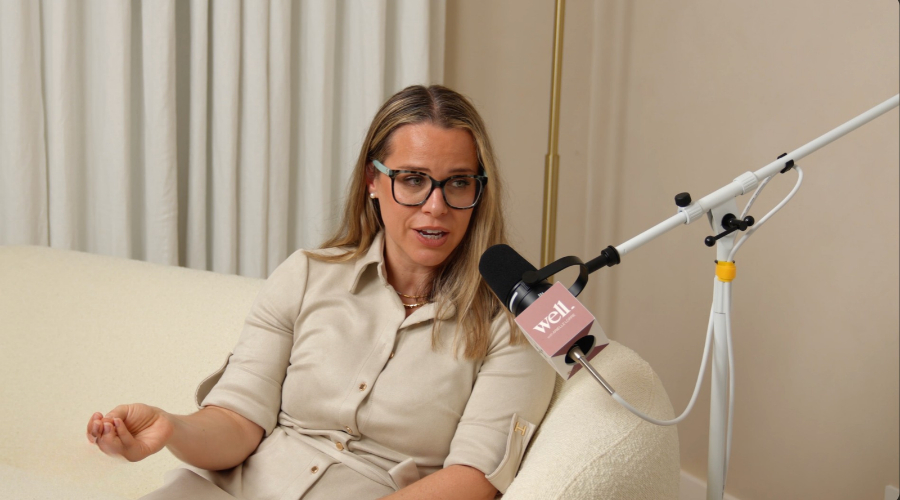
On Tell Me I’m a Good Mom, host Lo Bosworth sits down with Tay Lautner to unpack the signs that can help you tell the difference. From paying attention to how rest affects you to recognizing changes in your daily habits, they explain why the answer isn’t always as simple as calling yourself “burnt out” and pushing through.
Burnout vs Depression: How to Tell the Difference
We’ve normalized functioning on empty
Feeling overwhelmed has become such a normal part of everyday life that many of us barely question it anymore. We power through packed schedules and tell ourselves we’ll slow down next week. When exhaustion becomes your baseline, it’s easy to assume it’s simply part of being an adult.
That’s one of the reasons burnout can be so difficult to recognize. If you’ve been running on empty for weeks, you may not realize how depleted you’ve become until something finally forces you to stop. And because being busy is often worn like a badge of honor, asking for a break can feel like admitting you’ve fallen behind.
Burnout and depression can look almost identical
Feeling exhausted, unmotivated, and disconnected from the things you usually enjoy can describe both burnout and depression, which, unfortunately, is what makes it so difficult to tell them apart. One bad week at work can leave you feeling like you have nothing left in the tank, while depression can create many of those same feelings without an obvious cause. It’s easy to lump everything under the umbrella of “burnout” because it’s a word we’ve all become comfortable using.
Lautner agrees that “there’s definitely crossover” between the two, which is why she doesn’t think there’s always a simple answer. Instead of trying to label what you’re feeling immediately, she recommends paying attention to patterns. “I think just kind of like seeing if you can pinpoint a trend or what you are feeling,” she says, can offer more insight than focusing on the label itself.
Is work the only thing leaving you depleted, or does everything feel overwhelming? Do your energy and mood improve when your schedule slows down, or do those feelings stick around even after you’ve had time to recover? Looking at the bigger picture can make it easier to recognize whether you’re simply running on empty or if it’s time to dig a little deeper.
One simple question can tell you a lot
Both women think one of the easiest places to start is by looking at what happens after you rest. Taking a few days off and stepping away from work won’t magically solve every problem, but it can reveal a lot. If you come back feeling recharged and more like yourself, there’s a good chance your mind and body were asking for recovery. But if you’ve given yourself that time and still feel emotionally flat, it may be a sign that something deeper is going on.
“If it doesn’t resolve when you get rest, then yeah, it kind of sounds more like you need to speak to somebody to properly address and understand what’s going on,” Bosworth points out. Of course, that doesn’t mean you should diagnose yourself based on one weekend. Recovery looks different for everyone, and mental health is rarely black and white.
Your habits can become clues
One of the first places depression or burnout can show up is in your everyday habits. The things you usually do without thinking, like texting friends back, exercising, cooking dinner, or getting outside, can suddenly start to feel difficult. That’s why Lautner pays close attention to changes in her own routines.
“I know if I’m feeling burnt out, then I’m not wanting anything to do with any device,” Lautner says. She explains that when she’s depressed, though, it’s almost the opposite. “When I’m depressed, it’s more so…I’ll get stuck scrolling on my phone and like not wanting to go out and see friends or not wanting to do stuff,” she says. The more familiar you become with your own patterns, the easier it is to recognize what’s going on.
You don’t have to figure it out on your own
There’s a lot of pressure to have an answer before reaching out for help. We Google symptoms and try to decide if what we’re feeling is “serious enough.” But mental health isn’t a quiz you have to pass before talking to a professional.
You don’t have to know the answer to what you’re experiencing before making an appointment. In fact, that’s exactly what mental health professionals are there to help you understand. If you’ve noticed your mood, energy, or daily habits changing in a way that doesn’t feel like you, it’s worth having the conversation.
Pay attention to what your mind and body are telling you instead of relying on ChatGPT. The sooner you ask for support, the sooner you can start getting the kind of help that’s actually tailored to what you’re experiencing.
To hear the full conversation on burnout vs. depression, listen to Tell Me I’m a Good Mom wherever you get your podcasts.
Read More
- Taylor Strecker Always Wanted a Reality Show—‘House of Stassi’ Was Worth the Wait
- The Strength Training Mindset That’s Changing Lauryn Bosstick’s Body (and Mind)
- The Unexpected Lesson Sami Clarke Learned After Seven Days of Silence

Trending Products


Leave a Comment
Suggested Articles

Inside the Influencer Industry: Bran Flakezz Gets Real With Alexis Oakley About Money, Managers, and Burnout
Nov 9, 2026 Career & Money



Leave a Reply