What Your Dry Eyes Might Be Trying to Tell You About Your Health, According to an Eye Doctor
Jane LaCroix
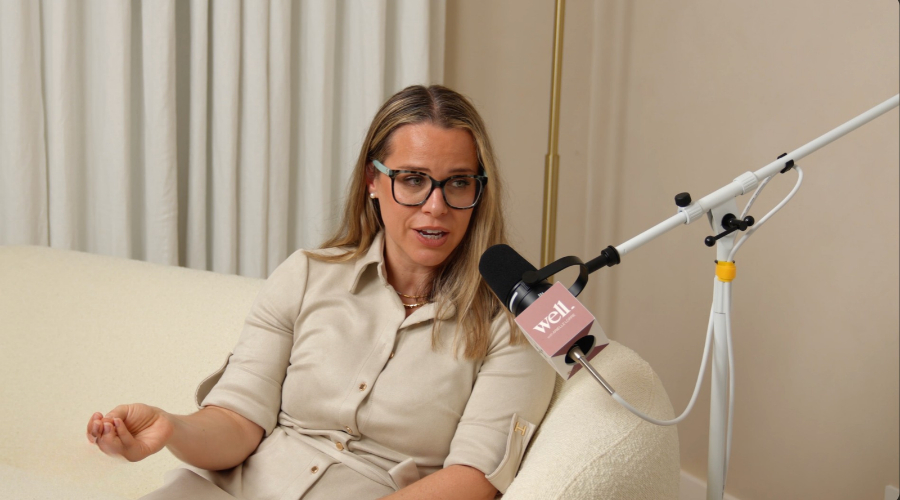
If your eyes always feel dry and you’re constantly reaching for eye drops, it’s easy to assume it’s just part of modern life. But according to optometrist and dry eye specialist Dr. Inna Lazar, those symptoms deserve a closer look. “It is one of the most underrated, but most significant life-changing, altering experiences if you truly have it,” she says of dry eye on an episode of GlowLab. And while screen time gets most of the blame, it’s only one piece of the puzzle. Hormones, contact lenses, allergies, autoimmune conditions, the way you sleep, and even how often you blink can all play a role.
But there is a silver lining. Once you understand what’s actually causing it, there are simple habits that can make a real difference—and treatments that go far beyond grabbing another bottle of eye drops. Here’s what Dr. Lazar wants everyone to know about keeping their eyes healthy.
Dry Eye Causes, Symptoms, and Treatments Doctors Recommend
Dry eye is usually an oil problem
One of the biggest misconceptions about dry eye is that your eyes simply aren’t making enough tears, but that’s not always the case. “80 percent of patients with dry eye, it’s actually because of the lipid and oily deficiency of the tear film,” Dr. Lazar notes.
Every time you blink, tiny glands in your eyelids release oil that helps prevent your tears from evaporating. When those glands stop working properly, your eyes can still produce tears—but they disappear too quickly to keep your eyes comfortable. That’s why identifying the type of dry eye matters. Some people have evaporative dry eye caused by unhealthy oil glands, while others have aqueous deficiency, which is more commonly linked to autoimmune diseases like Sjögren’s syndrome or lupus. The treatment depends on the cause, not just the symptom.
Your everyday habits could be making things worse
Screens get a lot of blame for dry eyes, but it’s more about what happens while you’re staring at it rather than the actual screen itself.
One surprisingly common culprit is sleeping with your eyes slightly open. Known as nocturnal lagophthalmos, it leaves part of the eye exposed overnight, allowing moisture to evaporate while you sleep. Dr. Lazar says ointments, moisture goggles, or lid tape can help protect the surface of the eye if this is happening regularly.
Eyelid hygiene also plays a big role. Your eyelids contain tiny oil glands that can become blocked over time, and conditions like blepharitis or an overgrowth of naturally occurring Demodex mites can make irritation even worse. If that last part made you cringe, Dr. Lazar points out that the mites themselves aren’t unusual—”We all have them.” The problem is when they overpopulate around the eyelids and contribute to inflammation.
Contact lenses are another common trigger because they pull moisture from your tear film. Wearing daily disposable lenses, limiting wear time, and avoiding sleeping or swimming in them can all help reduce irritation.
Even cosmetic eyelid surgery can temporarily worsen dry eye, which is why Dr. Lazar recommends treating existing dryness before undergoing procedures like a blepharoplasty.
Hormones, sleep, and your overall health matter more than you think
Dry eye doesn’t always start in your eyes. Women are twice as likely as men to develop dry eye disease, largely because hormonal changes affect the oil glands that keep the eyes lubricated. Birth control, perimenopause, menopause, and declining testosterone levels can all contribute. And sleep plays a role, too. “Patients that have insomnia will have dry eye, but then those patients with dry eye will also have insomnia. So you do need to address both at the same time,” Dr, Lazar says,
Dr. Lazar also says persistent dry eyes can sometimes point to something bigger. During eye exams, she often asks about joint pain, autoimmune conditions, and overall health because dry eye can be an early clue that something else deserves attention.
Stop reaching for redness relief every time your eyes look tired
If Visine has become part of your routine before work meetings or dinner plans, Dr. Lazar recommends rethinking that habit. She explains that traditional redness-relieving drops temporarily constrict blood vessels before causing them to dilate again, creating a cycle of rebound redness that leaves people reaching for the bottle even more often. “The more you use it, the more you use it,” she says. Lubricating drops can be helpful, but needing them multiple times a day is another sign it’s time for an eye exam rather than another quick fix.
Dry eye has come a long way from warm compresses
Treatment options have evolved dramatically over the last decade. While warm compresses may still help some people feel more comfortable, newer therapies focus on restoring the function of the oil glands themselves. Dr. Lazar says treatments like intense pulsed light (IPL), radiofrequency, and professional gland expression (think Dr. Pimple Popper but for your eyes) are helping address the underlying cause instead of temporarily relieving symptoms.
If you take anything away from the conversation, though, it’s not to assume dry, red eyes are something you have to accept.
If you’re waking up with irritation, your eyes are telling you something. Finding the reason behind the dryness is often the first step toward finally feeling better.
To hear the full conversation, listen to GlowLab wherever you get your podcasts.
Read More
- Everyone’s Looking for the Next Big Biohack—Dr. Terry Dubrow Thinks They’re Missing the Point
- The Things You Use Every Day Could Be Aging You Faster Than You Think
- The Most Confident People Aren’t Fearless—They Just Trust Themselves

Trending Products


Leave a Comment
Suggested Articles

Inside the Influencer Industry: Bran Flakezz Gets Real With Alexis Oakley About Money, Managers, and Burnout
Nov 9, 2026 Career & Money



Leave a Reply