AI Is Thirstier, Hungrier, and Much Closer to Home Than You Think
Jane LaCroix
AI can be great for writing an email you’re unsure how to word or planning your vacation without causing too much stress. While it may make our everyday lives easier, it requires a staggering amount of physical infrastructure. Which raises the question—how does that affect our health and environment?
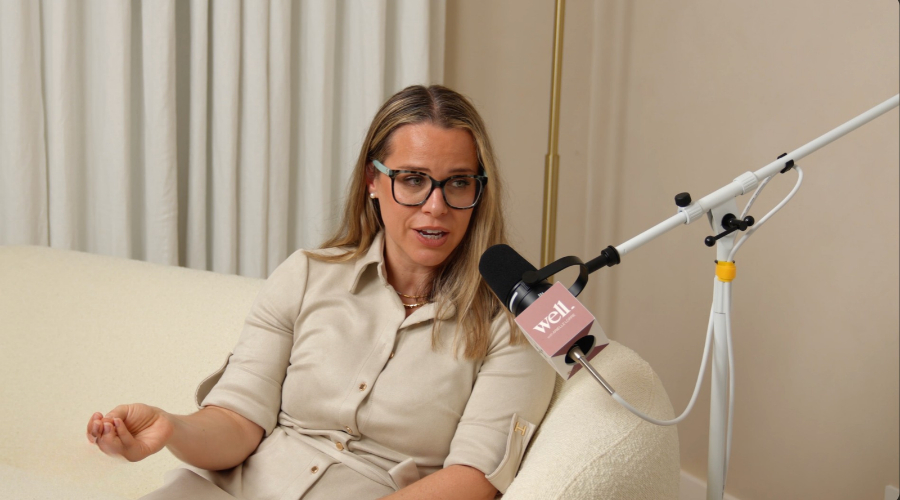
On The Art of Being Well, Dr. Will Cole turns his attention to the AI data centers appearing in communities across the country, along with the electricity, water and environmental resources needed to keep them running. Dr. Cole describes the facilities as “power lines on steroids,” raising questions about their possible effects on air quality, electromagnetic field exposure, wildlife and the people living nearby.
The larger point of the episode is a call for awareness. AI may be moving at breakneck speed, but we can still question how its infrastructure is built and reduce our everyday exposure.
How AI Affects Health and the Environment
One data center can use the same amount of electricity as an entire city
Behind the quick AI exchange is a rapidly expanding network of data centers with an enormous appetite for power. “The amount of electricity these AI data centers, just one of them, can use is the same amount of electricity as entire cities,” Dr. Cole says. Some facilities, he adds, can consume as much electricity in a year as a small state such as Vermont or Rhode Island.
The industry’s total demand is already significant. According to Dr. Cole, “AI data centers use about 6 percent of the United States’ electricity totally, and it’s going to be double or triple in the next couple of years.” That’s a community issue. Every new facility requires real resources from a real place, even if the people using the technology live hundreds of miles away.
Controlled trials don’t exist
Researchers have not yet established a direct connection between these facilities and the problems communities are reporting.
“A lot of this is anecdotal. There’s no randomized control trials on this stuff because it’s happening in real time,” Dr. Cole points out. “So we don’t have RCTs. We don’t have studies at the moment. We’re just having a lot of anecdotal information.”
Dr. Cole says those anecdotes include farmers reporting dying bees, fertility problems among livestock, and stillborn animals near data centers. They deserve attention, but they are not proof that the facilities caused those outcomes. Existing research has examined the potential effects of electromagnetic fields more broadly, yet the data-center-specific evidence remains limited.
You can reduce everyday EMF exposure without going off the grid
If you want to reduce your EMF exposure, you don’t need to throw your phone into the ocean or disappear into the woods. Dr. Cole’s simple suggestions include:
- Keep your phone outside the bedroom. “So what I would do at the very minimum is just sleep with that phone outside of your room,” Dr. Cole says.
- Turn off your Wi-Fi overnight. There is little reason to keep it running while everyone in the house is asleep.
- Disable Bluetooth when you are not using it. It is a small way to reduce your exposure without giving up your devices.
- Use a wired connection when possible. Dr. Cole recommends connecting your computer through an Ethernet cable and swapping AirPods for wired headphones.
- Spend more time in nature. “That’s one of the first things you do, get out in nature as much as you can,” Dr. Cole says. Touch grass—literally. Walking barefoot on grass, swimming in a natural body of water, sitting beneath a tree…it all counts.
Show up and ask questions
One of the simplest things you can do starts with paying attention to what is being proposed in your own community. “Show up, show up and ask questions,” Dr. Cole says. Residents can attend town halls and local meetings to learn where data centers may be built, what resources they will consume and how their potential environmental effects will be monitored. Ask about water and electricity use and find out what safeguards are planned. Push local officials and developers to explain how the surrounding community could be affected.
These decisions can feel too technical or too far along for one person to influence, but public scrutiny matters. Community members deserve clear answers before a facility begins operating—not years later, when concerns are harder to address.
To hear the full conversation on AI and how it affects health, listen to The Art of Being Well wherever you get your podcasts.
Read More
- Everyone’s Looking for the Next Big Biohack—Dr. Terry Dubrow Thinks They’re Missing the Point
- The Things You Use Every Day Could Be Aging You Faster Than You Think
- 6 Things Amanda Kloots Learned When She Stopped Fighting Grief

Trending Products


Leave a Comment
Suggested Articles

Inside the Influencer Industry: Bran Flakezz Gets Real With Alexis Oakley About Money, Managers, and Burnout
Nov 9, 2026 Career & Money



Leave a Reply