The Non-Toxic Kitchen Swaps a Pro Chef Wants Every Person to Make in 2026
Maggie Ekberg
Going non-toxic in the kitchen used to feel like a very specific wellness influencer personality trait. In 2026, it’s basically mainstream behavior. People are reading ingredient labels, replacing scratched-up pans, side-eyeing plastic meal prep containers, and realizing the phrase “FDA approved” doesn’t always mean what they thought it did. The food system discourse has officially entered the group chat.
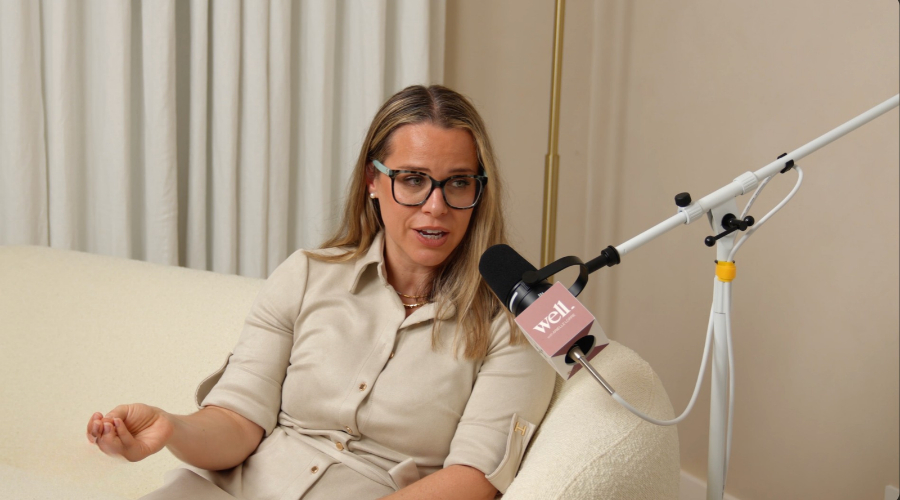
On The Gabby Reece Show, host Gabby Reece sits down with award-winning chef Johanna Hellrigl, board member of the Environmental Working Group, to break down the kitchen swaps that actually make sense in real life. Whether you’re trying to upgrade your cookware or just make healthier choices, her advice is surprisingly doable.
Plastic deli containers → Glass
If you open your kitchen cupboards and see stacks of cloudy plastic deli containers from takeout, meal prep, or leftovers from three apartments ago, Hellrigl says she’d get rid of them. “I would buy glass ones. IKEA even has really affordable glass containers that you can use for storage.”
The good news is you don’t need to overhaul your entire kitchen overnight. Start with the containers you reach for the most (probably the ones holding leftovers, prepped veggies, or that one rogue sauce sitting in the back), and slowly replace them as you go. Glass also lasts forever, so it’s a one-time investment that pays you back every meal.
Teflon and non-stick → Stainless steel, cast iron, or ceramic
“Take away any non-stick pans and just get one to two really good pans for yourself,” Hellrigl says. “Stainless steel is my preference, but you can also do cast iron and then some of the ceramic brands are also ok.”
If stainless steel has always felt like the pan version of “I’m not skilled enough for this,” the issue is probably just temperature. Most people start cooking before the pan is fully heated, which is why your breakfast suddenly requires a chisel and emotional recovery.
Hellrigl’s trick is the water test:
- Heat the pan on medium first
- Grab a small bowl of water and flick a few drops into the pan
- If the droplets glide smoothly = ready to cook
- If they instantly disappear = still too cold
- If the water bounces aggressively everywhere = too hot
Once you get the temperature down, stainless steel gets way easier to cook with.
Plastic cutting boards → Solid wood boards
“Cutting boards always use wood, and I really like using single-grain wood,” Hellrigl says. The cheap wood boards are made of multiple smaller pieces glued together, and those seams hide bacteria you can’t clean out, plus the adhesives are usually toxic. A single-grain board is just one solid piece of wood. “I’d rather know that I ate a little bit of wood than a little bit of plastic,” she says. One board, use it for everything, just clean it well.
Plastic water bottles → Anything else
“Heat, fat, acid, and time are the perfect storm for chemical and plastic migration into your food,” Hellrigl says. Plastic water bottles check a lot of those boxes before they even make it into your fridge—sitting in hot cars, warehouses, and delivery trucks for hours at a time. That’s why she’s big on switching to reusable glass or stainless steel whenever possible, or at least relying more on filtered tap water at home instead of disposable bottles all day.
And according to Hellrigl, those swaps add up faster than people think. She references a recent study showing roughly 70 percent fewer plastic-related chemicals detected after participants reduced plastic exposure for just one week. “It is very much possible to actually see significant changes just from one week to another by making decisions of not buying the plastic water bottles,” she says.
Hot food in plastic → Glass or wait it out
“It’s not to negate all the hard work that you did,” Hellrigl says about the people carefully buying organic groceries only to microwave the leftovers in plastic containers the next day. “It’s just directly contributing to different issues that we really need to start thinking about eradicating.”
Heat is what causes the plastic to leach into your food, so the rule is simple: never put hot food into plastic, and never reheat in it. Either let your leftovers cool down completely before transferring, or skip the middleman entirely and store everything in glass from the start.
Listen to the full episode on The Gabby Reece Show, available wherever you listen to podcasts.
Read Next
- Why Your ‘Healthy’ Seafood Choice Might Not Be That Clean, According to ‘The Art of Being Well’
- Why Some ‘Healthy’ Habits May Be Hurting More Than Helping, According to a Doctor
- Why ‘Healthy’ Food Is Still Making You Feel Like Garbage, According to ‘The Art of Being Well’

Trending Products


Leave a Comment
Suggested Articles

Inside the Influencer Industry: Bran Flakezz Gets Real With Alexis Oakley About Money, Managers, and Burnout
Nov 9, 2026 Career & Money



Leave a Reply